
As a supplier of Color Masterbatch Oil, I've witnessed firsthand the significant impact this product has on the polymer processing industry. In this blog, I'll delve into how Color Masterbatch Oil affects the processing temperature of polymers, providing valuable insights for those involved in polymer manufacturing.

Understanding Color Masterbatch Oil
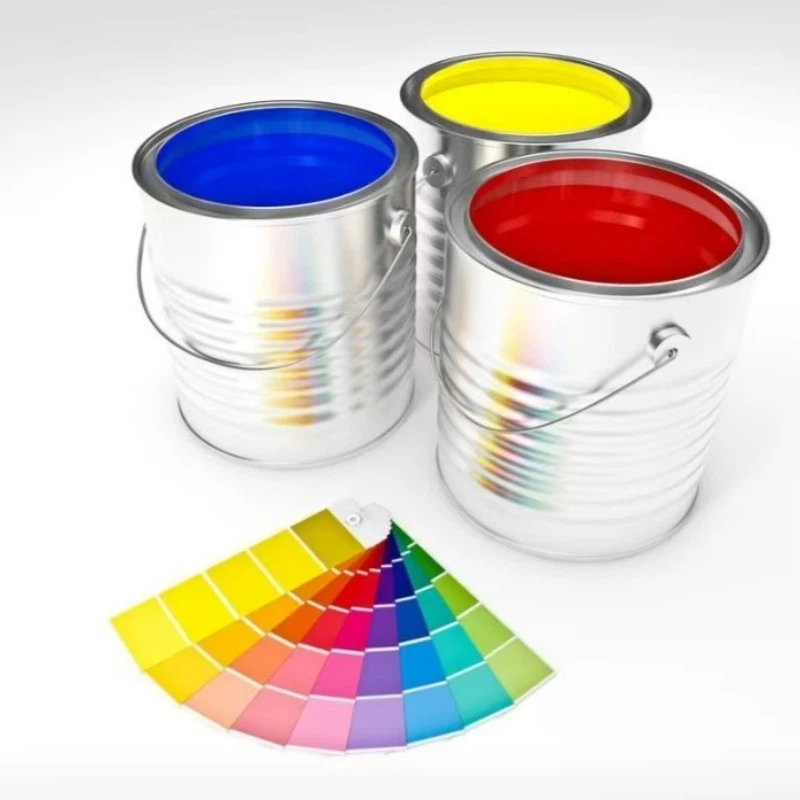
Color Masterbatch Oil is a concentrated form of colorant that is used to impart color to polymers. It consists of a high - concentration of pigments or dyes dispersed in a carrier resin or oil. This concentrated form allows for easy handling and accurate color dosing during the polymer processing. There are different types of color masterbatches, such as Color Paste, Color Masterbatch Paste, and Liquid Color Masterbatch, each with its own unique properties and applications.
The Role of Processing Temperature in Polymer Processing
Processing temperature is a critical parameter in polymer processing. It affects the flow behavior, viscosity, and mechanical properties of the polymer. If the processing temperature is too low, the polymer may not melt properly, leading to poor dispersion of the color masterbatch and uneven color distribution. On the other hand, if the temperature is too high, it can cause thermal degradation of the polymer, resulting in reduced mechanical properties, discoloration, and the formation of volatile by - products.
How Color Masterbatch Oil Affects Processing Temperature
1. Heat Transfer and Melting Behavior
Color Masterbatch Oil can influence the heat transfer within the polymer melt. The presence of the masterbatch can either enhance or impede the heat transfer process. Some Color Masterbatch Oils have good thermal conductivity, which means they can transfer heat more efficiently within the polymer matrix. This helps the polymer to reach its melting point faster, reducing the overall processing time and energy consumption.
For example, in polypropylene (PP) processing, a well - formulated Color Masterbatch Oil can act as a heat conductor, allowing the PP to melt at a lower temperature compared to when no masterbatch is used. This is particularly beneficial in large - scale production, where energy savings can have a significant impact on the bottom line.
2. Viscosity Modification
Color Masterbatch Oil can also affect the viscosity of the polymer melt. The addition of the masterbatch can either increase or decrease the viscosity depending on its composition. If the masterbatch contains additives that act as plasticizers, it can lower the viscosity of the polymer melt. A lower viscosity means that the polymer can flow more easily at a given temperature, which may allow for a reduction in the processing temperature.
Conversely, if the masterbatch contains fillers or high - molecular - weight components, it can increase the viscosity of the polymer melt. In this case, a higher processing temperature may be required to achieve the desired flow properties.
3. Chemical Interactions
There can be chemical interactions between the Color Masterbatch Oil and the polymer. Some masterbatches contain reactive components that can react with the polymer chains at elevated temperatures. These reactions can either cross - link the polymer chains, increasing the melting point and the processing temperature, or they can break down the polymer chains, reducing the melting point.
For instance, in the case of some engineering polymers like polycarbonate (PC), certain Color Masterbatch Oils may contain additives that can react with the PC chains, altering its thermal properties. Understanding these chemical interactions is crucial for determining the optimal processing temperature.
Case Studies
Case 1: Polyethylene (PE) Processing
In a PE film manufacturing process, a supplier introduced a new Color Masterbatch Oil. The masterbatch was formulated with additives that improved the heat transfer and reduced the viscosity of the PE melt. As a result, the processing temperature could be lowered by approximately 10 - 15°C without sacrificing the quality of the film. This led to significant energy savings and an increase in production efficiency.
Case 2: Polyvinyl Chloride (PVC) Processing
In PVC pipe production, a Color Masterbatch Oil with high - temperature stability was used. The masterbatch contained heat - resistant pigments and additives that prevented thermal degradation of the PVC at high processing temperatures. This allowed the manufacturer to increase the processing speed without the risk of discoloration or degradation of the PVC pipes.
Optimizing Processing Temperature with Color Masterbatch Oil
To optimize the processing temperature when using Color Masterbatch Oil, the following steps can be taken:
1. Select the Right Masterbatch
Choose a Color Masterbatch Oil that is specifically formulated for the polymer and the processing method. Consider factors such as the thermal stability, viscosity, and chemical compatibility of the masterbatch with the polymer.
2. Conduct Pre - trials
Before full - scale production, conduct pre - trials to determine the optimal processing temperature. Vary the processing temperature and observe the quality of the final product, including color uniformity, mechanical properties, and surface finish.
3. Monitor and Control
During the production process, continuously monitor the processing temperature and make adjustments as needed. Use temperature sensors and control systems to ensure that the temperature remains within the optimal range.
Conclusion
Color Masterbatch Oil plays a crucial role in determining the processing temperature of polymers. By understanding how it affects heat transfer, viscosity, and chemical interactions, manufacturers can optimize the processing temperature, leading to improved product quality, energy savings, and increased production efficiency.
If you are interested in learning more about our Color Masterbatch Oil products or would like to discuss your specific polymer processing needs, we invite you to contact us for a detailed procurement discussion. We are committed to providing high - quality products and excellent technical support to help you achieve the best results in your polymer processing operations.
References
- "Polymer Processing: Principles and Practice" by Christopher Rauwendaal
- "Colorants for Polymers: Industrial, Environmental, and Health Aspects" by Saeed M. Al - Malaika